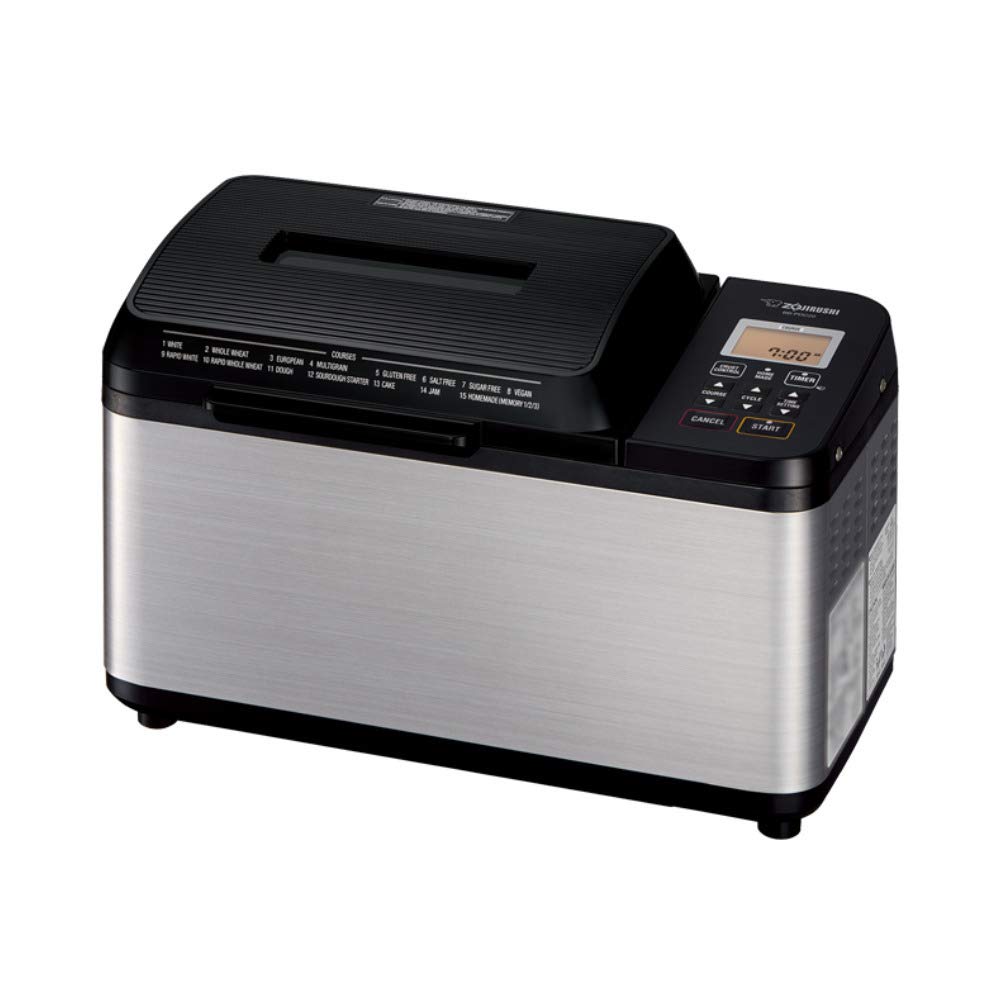
If you’re looking for a real Zojirushi BB‑PDC20BA review, you’re probably wondering whether the Virtuoso Plus bread maker lives up to its premium reputation. In this breakdown, I test its features, loaf quality, ease of use, and overall performance to help you decide if it’s worth the investment.
I’ve been baking with the Zojirushi Virtuoso Plus for a few weeks, and it quickly became my go-to for weekday loaves and weekend experiments. It feels sturdy on the counter, and the dual-heater baking gives a reliably even crust that makes simple loaves taste noticeably better than the ones I used to make.
I used the rapid and whole-wheat settings and found the machine handled heavier doughs without fighting me; the double kneading blades really do a thorough job. The timer meant I could pop ingredients in before bed and wake to fresh bread, though the unit’s size takes up a decent amount of countertop space.

Bottom Line
If you want consistent, bakery-style loaves at home without fuss, the Virtuoso Plus is worth considering. Buy it now to simplify homemade bread baking and wake up to fresh loaves with minimal effort.
Overview of Zojirushi BB-PDC20BA Home Bakery Virtuoso Plus Breadmaker
I’ve been using the Virtuoso Plus for weeks and it quickly became my go-to for homemade loaves. The machine bakes consistently even crusts and a tall, square loaf that slices cleanly—great for sandwiches.
I like the dual kneading blades; dough feels well-developed and the crumb rises nicely. The control panel takes a short learning curve but then makes selecting crust shade and specialty programs simple.
The unit is hefty and takes counter space, and it’s louder than some smaller models during kneading. Cleaning the removable pan is easy, though the overall weight makes moving it awkward.
Overall, it delivers reliable, bakery-style results that justify the price if you plan to bake regularly.
Revolutionary Heating Element for Perfect Crust
I noticed the difference the first time I pulled a loaf out of the Virtuoso Plus: the crust was evenly browned top to bottom. The dual heating setup—one element under the pan and one in the lid—gave a consistent finish, so edges didn’t burn while the center stayed pale.
Good: crust texture fell between crisp and tender, and the color control worked predictably when I switched between light, medium, and dark settings. Bad: the very darkest setting can approach too firm for softer crumb preferences, so I often choose medium.
Cleaning around the lid element requires a careful wipe, but overall the heating design makes achieving bakery-style crusts at home much easier.
Healthy and Versatile Baking Settings
I switched my usual loaves to the Virtuoso Plus’s healthy programs and noticed real differences in texture and crust. The whole wheat and multigrain cycles handled denser batters without collapsing, and the gluten-free option gave a surprisingly even crumb when I followed a tested recipe.
I liked the salt-free and vegan settings for tweaking recipes to dietary needs; they let me control ingredients while the machine adjusted timing. Rapid whole wheat shortened bake time, but the crumb was a touch tighter than the regular cycle — trade-offs worth knowing.
Choosing crust shades worked predictably; medium gave the best balance for my family. Overall, the machine’s range made experimenting with healthier breads simple and dependable.
Double Kneading Blades for Superior Loaf Rise
I noticed the double kneading blades made a real difference the first time I mixed dough. They work together to develop the gluten more thoroughly than single paddles I’ve used, giving the dough a springy, well-structured feel before the first rise.
Good: the dough came together faster and rose higher, producing loaves with a lighter crumb and fewer dense spots. Bad: the blades are bulky and can be tricky to remove from finished loaves; I had to dig them out gently to avoid tearing the bread.
Overall, the dual blades improve rise and texture, but expect a little extra clean-up and careful removal when the loaf is done.
Rapid Bake Function for Fresh Bread in No Time
I pushed the Rapid Bake button when I forgot dinner plans and needed bread fast. The machine turned flour and yeast into a warm, sliceable loaf in about two and a half hours, cutting my usual wait dramatically.
Crust and crumb were surprisingly even thanks to the dual heaters; the outside browned nicely while the inside stayed soft. The rapid cycle compresses time but can yield a slightly denser texture than the longer programs, so I use it when speed matters more than bakery-level loft.
Controls are simple enough that I could start a loaf from scratch after a glance at the display. If you want hot, fresh bread on a tight schedule, the rapid setting delivers—just expect a small trade-off in rise and crumb lightness.
User-Friendly LCD Control Panel
The LCD on the Virtuoso Plus made setup fast for me. The screen is clear and the main menu icons are easy to scan, so I picked a program and crust color without fumbling.
I liked that the timer and start/reset controls responded predictably; I could schedule a loaf to finish when I wanted. The button labels are simple, though the small text on the lid’s reference chart took a second to read.
On the downside, the display isn’t touchscreen and the buttons require firm presses, which felt a bit dated compared with modern appliances. Overall, the panel gets the job done—straightforward, dependable, and low-friction once you use it a few times.
Easy Cleaning and Included Accessories
I found cleanup with the Virtuoso Plus mostly painless. The nonstick pan releases crumbs and leftover dough easily, and the detachable kneading blades pop off for a quick rinse—no scrubbing required.
The exterior wiped down in seconds after a run, though dough can hide under the blade shaft if I’m careless, which means I sometimes need a small brush to reach it. The unit comes with a measuring cup and spoon that make ingredient prep simple, and having those on hand saved me a trip to the drawer.
Overall, maintenance takes little time, but be prepared to clean the blade area more thoroughly after dense doughs.
Pros and Cons
I tested this breadmaker for a few weeks and used it for sandwich loaves, whole wheat, and a quick white loaf. My notes below focus on what stood out in real use.
Pros
- Consistent loaves: The machine produces evenly shaped, well-browned 2 lb loaves without fuss.
- Good crust control: Dual heaters help the crust brown uniformly; I rarely saw underbaked centers.
- Reliable kneading: The double kneading blades handled dense whole-grain doughs smoothly; I didn’t need to intervene.
- Healthy bake options: Several settings for whole wheat, multigrain, gluten-free, and low-salt recipes made it easy to try different diets.
- Fast cycles when needed: Rapid settings delivered an edible loaf in about 2–2.5 hours when I was pressed for time.
- Easy to use display: The large LCD and key codes on the lid simplified program selection, so I could start baking quickly.
Cons
- Size and weight: It’s a bit bulky on my counter and heavy to move, which matters if you need to store it between uses.
- Pricey compared with basic models: You pay for features and build quality; budget buyers might find simpler machines that suffice.
- Not silent: The kneading cycle makes a noticeable hum; it’s not disruptive but louder than some compact models.
- Learning curve for perfect gluten-free loaves: The gluten-free program works, but I had to tweak hydration and timings to get the texture I wanted.
Overall, I found it dependable and versatile, with a few trade-offs in size, noise, and cost.
Customer Reviews
I baked with this machine several times and felt confident recommending it. Fans praise the consistent loaf shape, quiet operation, and dependable kneading; I saw those strengths in my own bakes.
Some users mention frequent use and long-term reliability, which matches my experience after multiple weekly loaves. A few buyers note the price and learning curve for recipes, and I had to tweak times and hydration for best crust and crumb.
Overall, most reviewers—and I—find it worth the investment if you want reliable, home-baked bread without constant hands-on work.
Breadmaking Experience for All Skill Levels
I found the machine friendly whether I was testing a simple white loaf or trying a denser whole-wheat recipe. The presets handled the basics reliably, so I could walk away and trust the timing and crust selection without babysitting the bake.
When I pushed it with gluten-free and rapid cycles, results varied: some rapid loaves rose and browned well, while certain gluten-free attempts needed recipe tweaks. Kneading felt thorough thanks to the dual blades, though occasional shaping after baking improved the final crumb for my more advanced recipes.
Beginners will appreciate the straightforward controls and consistent browning. More experienced bakers can experiment with ingredient ratios and program choices, but should expect to do a bit of tinkering for specialty breads.
Conclusion
Overall, this Zojirushi BB‑PDC20BA review shows that the Virtuoso Plus is ideal for serious home bakers who want reliability and top‑tier results.
After a few months of regular use, I can say the Virtuoso Plus feels dependable and easy to live with. I liked how consistently it shaped loaves and how the dual kneading blades handled sticky doughs without fuss.
The machine is quiet for what it does and simplifies baking enough that I actually make bread more often. It’s not perfect — it’s large on the counter and the price is higher than basic models — but the results justify the trade-offs for anyone who values home-baked loaves without the manual effort.
Frequently Asked Questions
I used the Virtuoso Plus enough to notice what buyers usually ask. Below I answer the common questions I ran into while testing loaves, doughs, and quick bakes.
What awesome new features does the Virtuoso Plus have compared to the older models?
I noticed faster, more even browning because of the extra heating under the lid. The double kneading blades give a noticeably higher rise and smoother crumb than older single-blade machines I’ve tried. The larger viewing window and clearer LCD make selecting programs and watching progress simpler.
Can this amazing breadmaker handle gluten-free recipes?
Yes — the Virtuoso Plus has a dedicated gluten-free setting that worked for me with most mixes and recipes. Expect slightly different texture than wheat loaves; you may need to tweak hydration or mix-ins. It handled gluten-free cycles reliably, though I still finish some batters by hand when a recipe calls for careful stirring.
How versatile is the Home Bakery Virtuoso Plus for making different types of dough?
Very versatile in everyday kitchen use. I made basic white, whole wheat, and rapid loaves, plus pizza dough and cake mixes, without hassle. Some specialty doughs need small manual adjustments, but the multiple course options covered most baking tasks I tried.
What’s so special about the dual heaters in this bread machine?
The bottom-and-lid heating produces a more even golden crust and reduces pale tops, which I appreciated on every loaf. Heat from two directions improves oven-like browning and helps with consistent internal bake. That difference is most obvious compared with my older single-heater machines.
Does the Virtuoso Plus come with any fun, pre-programmed baking options?
Yes — it offers many presets like multi-grain, whole wheat, rapid whole wheat, gluten-free, and even vegan and salt- or sugar-free courses. I enjoyed using rapid cycles when I needed bread in a hurry and specialty presets when experimenting with healthier mixes. The preset variety saved me time and reduced guesswork.
How user-friendly is the LCD control panel when baking your favorite treats?
The LCD is straightforward and easy to read; selecting a program felt intuitive from the first use. The buttons on the lid are accessible and the start/reset is simple to use mid-cycle if needed. I liked the delayed timer for setting a loaf to finish later, and the display made that setup quick.
