If you’re looking for the best kitchen must haves to make your cooking space more functional and cozy, this guide breaks down the friendly essentials that actually make a difference. From everyday tools to small upgrades that improve your workflow, these picks help create a kitchen that feels warm, practical, and easy to cook in.
My kitchen revolves around a few reliable tools that make cooking faster, cleaner, and more enjoyable. I buy for usefulness first—things that shave minutes off prep, improve consistency, or free up counter space—then I look for durability and easy cleanup. For everyday cooking, the right product type can turn a fiddly task into something I barely think about.
When shopping, prioritize material, size, and how the item fits into your routine; those factors have the biggest impact on long-term satisfaction. Choose materials that resist staining and corrosion, pick sizes that match your typical batch, and favor designs that are easy to clean and store. I tested and compared common options to identify the tools that save time and reliably perform, so you can find the ones that belong in your kitchen.
My Kitchen Must Haves
I’ve gathered the essential tools and gadgets I reach for most when cooking, baking, and prepping. This list highlights reliable, well-made items that save time and make everyday kitchen tasks easier.
Boos Maple CB 20×15
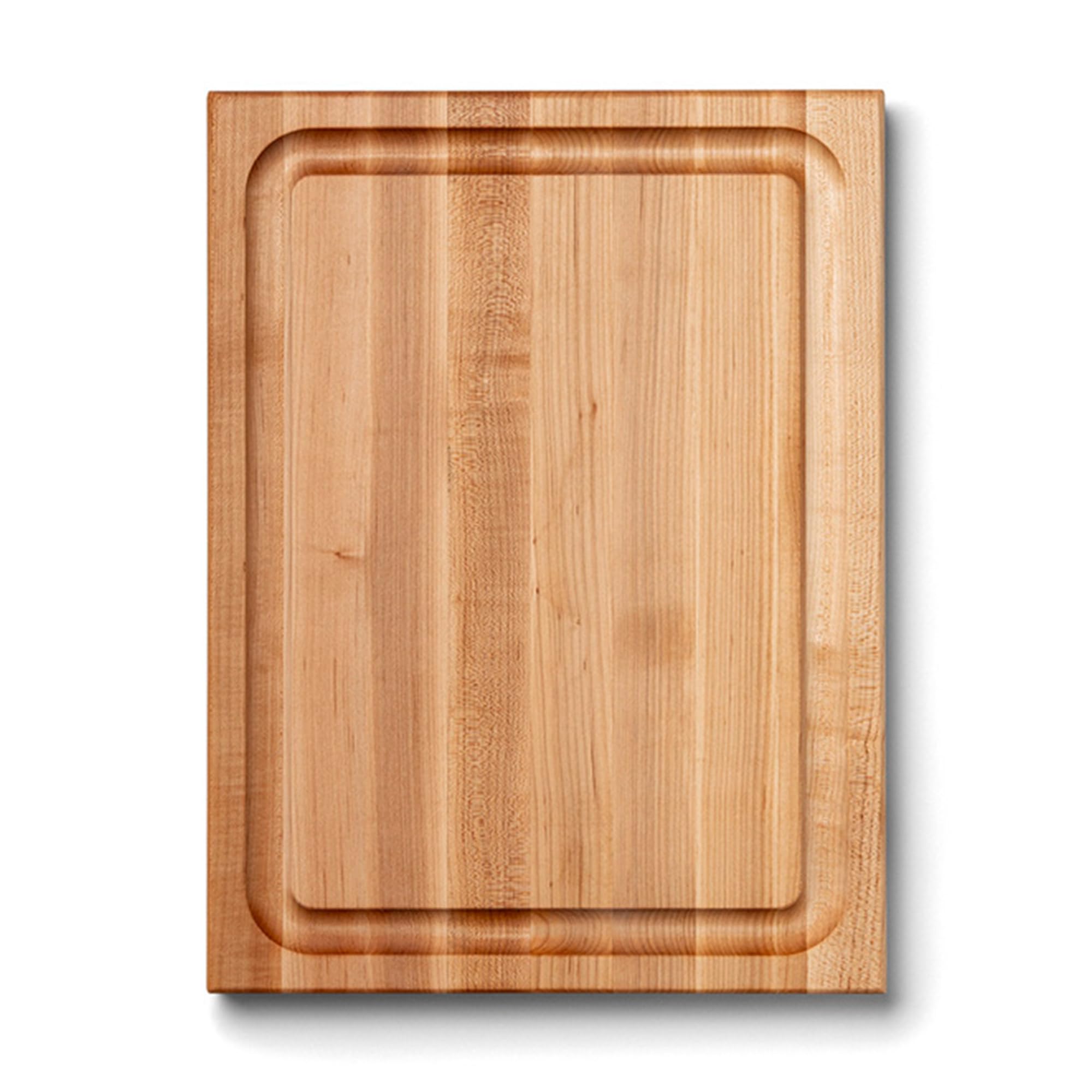
I recommend this board if you want a durable, heavy-duty maple cutting board that feels professional and lasts with proper care.
Pros
- Rock-solid construction that resists deep gouges.
- Reversible design with a juice groove on one side and a flat surface on the other.
- Feels substantial but still manageable to move when needed.
Cons
- Arrives very dry and needs multiple oilings before first use.
- Heavy; not ideal if you need frequent portability.
- Requires hand-washing and regular conditioning to stay beautiful.
I unboxed this Boos board and felt its weight immediately—this is not a lightweight trivet. The edge-grain maple cuts cleanly and gives my knives a confident feel while I slice meats and prep vegetables.
One side’s juice groove catches juices for roasts and juicy fruits, while the flat side works great for bread and charcuterie. I seasoned mine with multiple coats of board oil; it soaked up more than I expected but the finish looks rich afterward.
Care takes commitment: hand-wash only and reapply oil and cream periodically to prevent drying or warping. When maintained, the board looks better over time and handles heavy use without showing stress.
KitchenAid Artisan 5-Quart Mixer

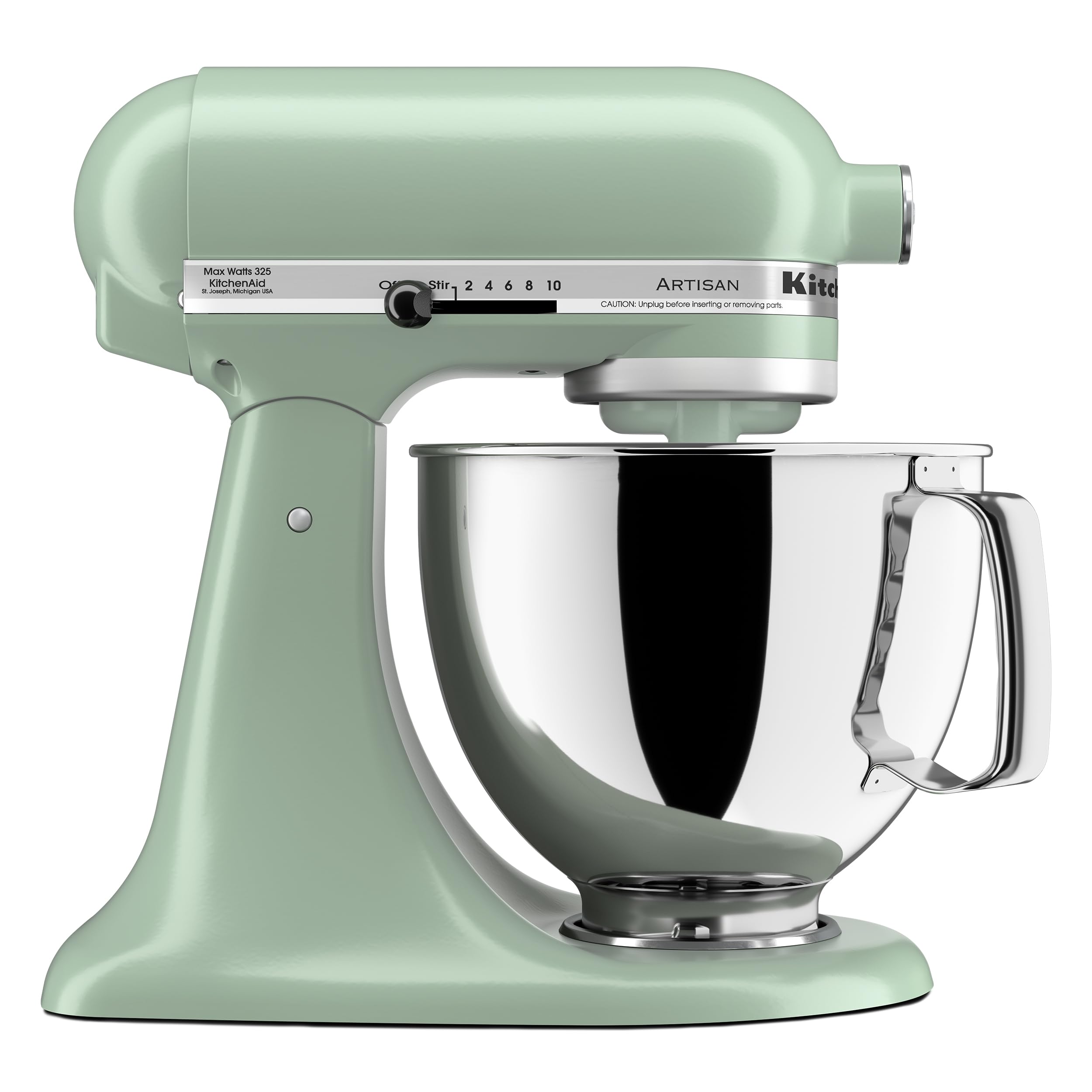
I recommend this if you bake or cook often and want a durable, versatile stand mixer that handles both small and large batches.
Pros
- Solid metal build that feels durable and steady on the counter.
- Five-quart bowl handles family-size batches without frequent refills.
- Ten speeds and tilt-head access make adding ingredients and changing attachments simple.
Cons
- Heavy to move; not ideal if you store it in a cabinet.
- Noise level is noticeable on higher speeds.
- Extra attachments cost more and are sold separately.
I pulled this mixer out for a weekend of baking and it immediately made cookie dough and whipped cream faster than my old hand mixer. The tilt-head design gave me easy access for scraping the bowl, and the pouring shield cut down on splatter.
Mixing performance feels reliable — the flat beater, dough hook, and wire whip covered everything I needed from batter to bread dough. Speed control felt smooth across the dial, and the machine didn’t bog down with dense doughs.
The weight and solid construction mean it stays put while mixing, but that heft makes it awkward to stash away. Color options are a nice touch; mine in Cardamom looks good on the counter and brightened the kitchen when I left it out.
If you want to expand capabilities, the hub accepts many attachments for pasta, grinding, and more, which I’ve started exploring. Keep in mind those extras add cost, but the mixer itself handles everyday baking and cooking tasks well.
Buy or view it on Amazon: KitchenAid Artisan 5-Quart Mixer
Cuisinart Advantage Knife Set

I recommend this set if you want colorful, sharp everyday knives that feel light and work straight away.
Pros
- Sharp out of the box and stays usable for regular prep.
- Color-coded blades and covers make organization and safety simple.
- Comfortable, lightweight handles that reduce hand fatigue.
Cons
- Coating can wear over time with heavy use.
- Not suitable for the dishwasher; hand wash only.
- Stamped blades are less robust than forged knives for heavy-duty tasks.
I grabbed this set for weekday cooking and was surprised by how ready they were to use. The chef and santoku slices felt precise on vegetables and meat without wrestling the knife.
The colors actually helped me avoid cross-contamination during meal prep—pulling the red or green knife for specific tasks kept things cleaner. The blade guards make storage easy and cut the risk of nicking a drawer or my fingers.
After several weeks, the knives still cut well for salads, sandwiches, and most chopping jobs. I noticed the finish shows light wear where I use them most, so I treat them gently and sharpen occasionally.
If you want a practical, colorful starter set that performs reliably for daily cooking, this Cuisinart collection delivers solid value and fun style.
Ninja DualBrew Coffee System (CFP451A)
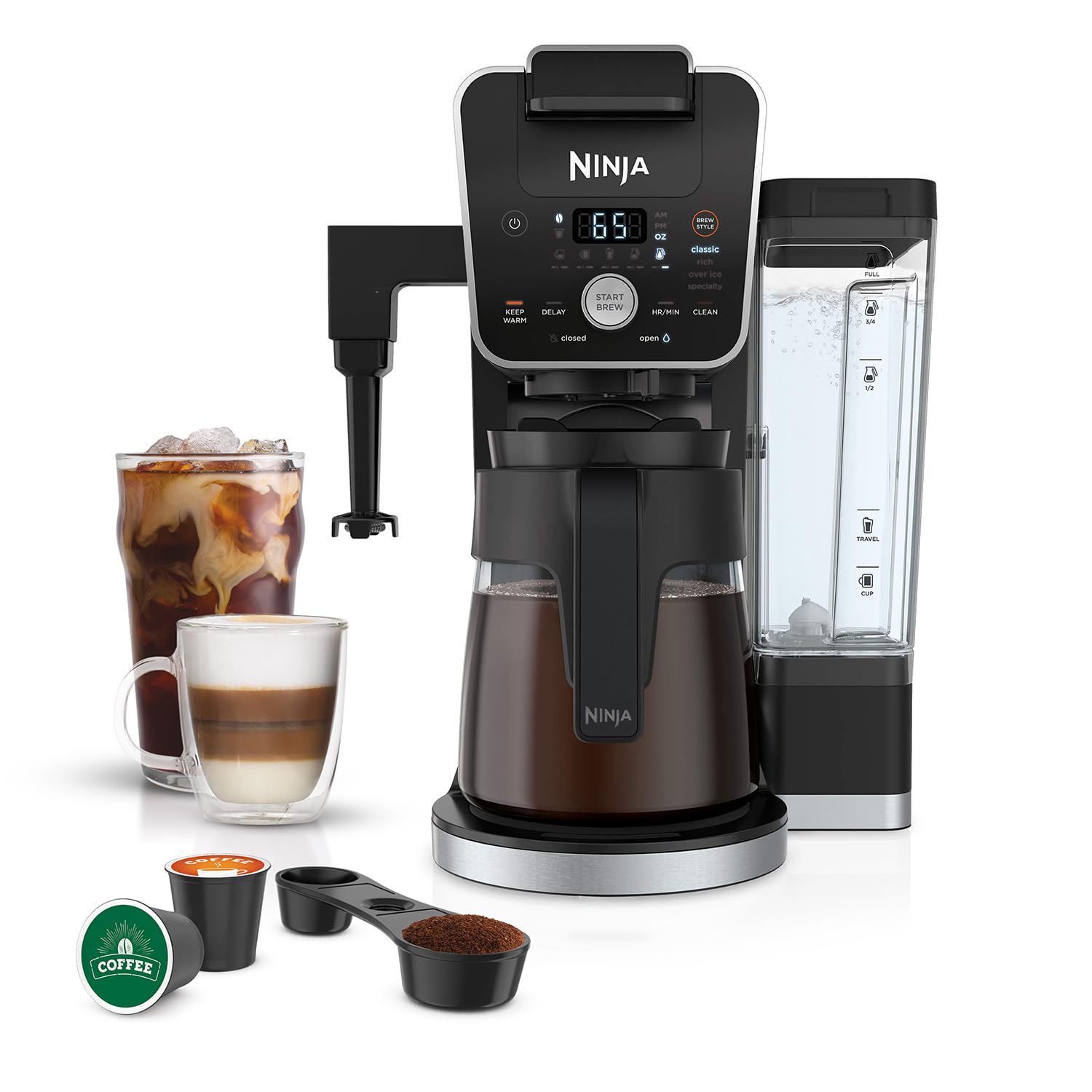
I recommend this if you want flexible single-cup and carafe brewing plus a built-in frother for easy lattes at home.
Pros
- Very flexible: pods or grounds, single cup to full carafe.
- Built-in frother makes quick specialty drinks without extra gear.
- Removable 70-oz reservoir is easy to refill and reduces trips to the sink.
Cons
- Occasional grounds or splatter if settings or basket aren’t aligned.
- Machine can be large on a crowded counter.
- Learning curve to get the right brew strength and cup size.
I used this DualBrew for a week and appreciated switching between a fast single cup and a full carafe without swapping machines. The frother on the side frothed milk quickly for a decent latte, and the Specialty setting produced creamier texture than my old drip brewer.
The Over Ice mode actually made bold iced coffee that didn’t taste watered down after melting, and the Rich setting pulled out more depth from my dark roast. I noticed a bit of mess the first few uses when grounds settled oddly, but a couple of runs smoothed that out.
Refilling the large removable reservoir cut down on my trips to the sink, especially on busy mornings. The warming plate keeps a carafe drinkable for a couple hours, and the foldable platform lets me fit mugs and travel tumblers without splashes.
If you want one machine that handles pods, grounds, iced drinks, and basic specialty drinks with minimal extra equipment, this Ninja covers those bases reliably.
ATRDTO Classic Mixing Bowl Set (Red)

I recommend this set if you want lightweight, stackable bowls that handle most home baking and prep tasks without fuss.
Pros
- Lightweight and easy to handle when mixing or pouring.
- Nesting design saves cabinet space.
- Microwave- and dishwasher-safe for quick reheats and cleanup.
Cons
- Plastic feels thinner than premium bowls and can flex under heavy use.
- Smallest bowl is almost too small for practical tasks.
- Colors may not match every kitchen aesthetic.
I used these bowls for a weekend of cookie dough, salad prep, and a few microwave reheats. They made moving ingredients between stations simple and the largest bowl handled heavy batters without tipping.
Washing and storing proved convenient; they stack neatly and fit on my top dishwasher rack without warping. The plastic shows scratches after knives and scrapers, so I avoid abrasive tools.
For someone upgrading from a tiny set or avoiding metal clanging, these hit the sweet spot of utility and price. If you want something indestructible or professional-grade, consider stainless steel, but for daily home cooking these work well.
Buying Guide
I focus on durability and daily usefulness when I choose kitchen gear. I look for sturdy materials, simple designs, and parts that can handle regular use without adding clutter.
I prioritize safety features and ease of cleaning. Check for non-slip handles, stable bases, and components that disassemble for washing.
I compare capacity and size to my available counter and storage space. Pick items that fit the tasks you do most often; bigger is not always better if it never gets used.
I examine energy use and performance for powered tools. Look for adjustable settings, consistent output, and straightforward controls so you can match power to the job.
I test ergonomics where possible. Comfortable grips, reachable controls, and manageable weight matter when you use something repeatedly.
I review warranty and repairability information. Items with replaceable parts and clear service options save money over time.
I prioritize versatility in small tools. Multi-function items reduce clutter, but avoid gimmicks that compromise performance.
I use a simple checklist before buying:
- Purpose: What will I use it for daily?
- Size: Will it fit my kitchen and storage?
- Materials: Is it built to last and safe to use?
- Maintenance: Is it easy to clean and repair?
- Features: Do the features add real value or just complexity?
I weigh cost against expected lifespan. Paying a bit more for something that lasts and performs well often proves more economical than replacing cheaper items frequently.
